
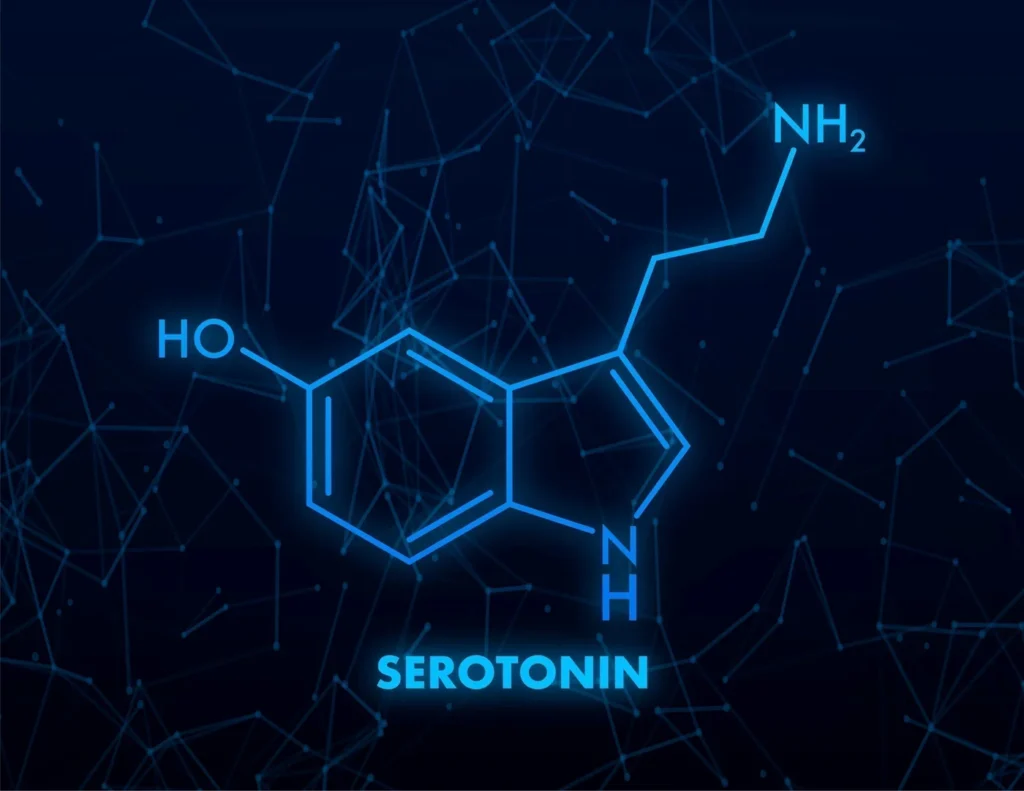
what is serotonin
UncategorizedSerotonin: The Brain’s Mood DJ (and Why It’s Not Just About Happiness) If your brain were a nightclub, serotonin would be the DJ quietly controlling the vibe. Not flashy. Not loud. Just steadily making sure nobody’s crying in the bathroom or starting unnecessary fights on the dance floor. Most people hear “serotonin” and think happy chemical. That’s… not wrong, but it’s wildly incomplete. Serotonin is less about constant joy and more about emotional stability, balance, and knowing how to chill. Let’s break it down. So, what is serotonin? Serotonin is a neurotransmitter—a chemical messenger that helps your brain cells talk to each other. It influences: Mood Anxiety Sleep Appetite Digestion (plot twist!) Memory Impulse control About 90% of your serotonin actually lives in your gut, not your brain. Which means your “gut feeling” is not just poetic—it’s biochemical. Serotonin ≠ Happiness (and that’s a good thing) Dopamine gets all the hype. Dopamine is the reward chemical. The “YES, DO THAT AGAIN” signal. Serotonin, on the other hand, is more like: “You’re okay. You don’t need to chase anything right now.” It’s the difference between excitement and contentment. Dopamine is fireworks. Serotonin is a steady campfire. When serotonin levels are balanced, you’re more likely to feel: Calm Grounded Emotionally resilient Less reactive to stress Low serotonin is often linked to depression, anxiety, irritability, and sleep issues—not because life suddenly sucks, but because your brain has lost some of its emotional shock absorbers. The serotonin–sleep connection Serotonin is a key player in making melatonin, the hormone that tells your body it’s time to sleep. So when serotonin is off, sleep often follows. Ever notice how bad sleep messes with your mood, and bad mood messes with your sleep? That’s serotonin stuck in a feedback loop like, “I would fix this, but I’m tired.” SSRIs: a quick pit stop Many antidepressants (like SSRIs) work by increasing serotonin availability in the brain. Important note: they don’t create happiness. They help your brain stop vacuuming serotonin too fast so it can actually do its job. Think of it as fixing a leaky bucket, not pouring in magical joy juice. How to support serotonin naturally (no crystal required) Small, boring, annoyingly effective habits: ☀️ SunlightNatural light boosts serotonin production. Your brain loves morning sun like a plant loves water. 🚶♀️ MovementYou don’t need a CrossFit cult. Walking, stretching, dancing badly in your kitchen—your brain counts it. 🥗 FoodSerotonin is made from tryptophan, an amino acid found in foods like eggs, nuts, seeds, cheese, and tofu. Carbs help shuttle it into your brain, so yes, toast has a purpose. 😴 SleepThis one’s unfair but true. 🤝 Social connectionSafe, positive social interaction boosts serotonin. Even introverts need some humans. The quiet power of serotonin Serotonin doesn’t make life perfect. It makes life manageable. It’s the reason you can: Pause before reacting Feel “okay enough” on a neutral day Experience peace without excitement Recover after emotional hits Not every good day is loud. Some of the best ones are just… steady. And honestly? That’s serotonin doing its thing. If you want, I can: Make this more science-heavy Make it funnier Turn it into a short Medium-style piece Or write a version for mental health beginners Just say the vibe. Why seretoni is important Serotonin is important because it helps regulate mood, sleep, appetite, and emotional balance. It supports feelings of calm, stability, and well-being, and plays a key role in managing stress and mental health. Benifits of Serotonin Serotonin helps improve mood, promote calmness, support better sleep, regulate appetite, reduce anxiety, and maintain emotional balance. What is difference between serotonin and dopamine Dopamine = reward & motivationHelps you feel pleasure, drive, focus, and the “want to achieve” feeling. Serotonin = mood & stabilityHelps regulate mood, calmness, sleep, and overall emotional balance. Serotonin is important because it helps regulate mood, sleep, appetite, and emotional balance. It supports feelings of calm, stability, and well-being, and plays a key role in managing stress and mental health. Serotonin helps improve mood, promote calmness, support better sleep, regulate appetite, reduce anxiety, and maintain emotional balance. Dopamine = reward & motivationHelps you feel pleasure, drive, focus, and the “want to achieve” feeling. Serotonin = mood & stabilityHelps regulate mood, calmness, sleep, and overall emotional balance.